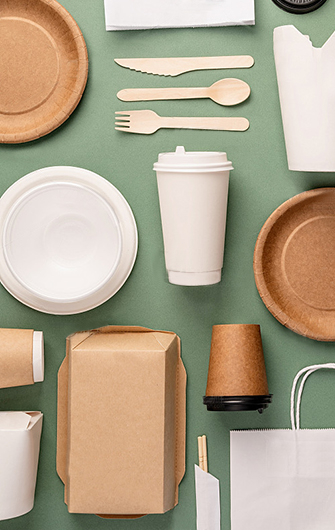
The standard definition of biodegradable material is an object or substance that can decompose and destroy naturally without producing any harmful substances. Over the past decade, we have been focusing on increasing the use of
PLA bag biodegradable, especially because we want to reduce the amount of conventional plastics used worldwide. Using biodegradable materials wherever possible is an environmentally viable solution. However, you need to consider all aspects when considering switching to
PLA degradable bags for your enterprise. Here are the benefits of PLA biodegradable bags.
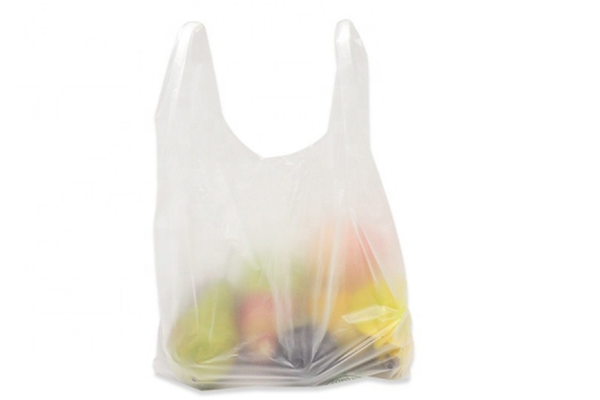 The benefits of biodegradable bags
Easy to break down
The benefits of biodegradable bags
Easy to break down
After continuous field testing, development and research, 100% compostable materials are made from PLA and copolyester mixtures. Compostable, biodegradable films and bags are fully recyclable and weigh as much as traditional plastic bags. They provide the same strength and are completely leakproof.
Biodegradable bags can degrade at sea or on land.
Reducing carbon emissions
The biodegradable bags are made from PLA bioplastic, which is made from sugar cane. You can think of biodegradable bags as plant substitutes. It produces far fewer carbon emissions than conventional plastics. While conventional plastics emit up to 4 tonnes of carbon emissions, biodegradable plastics emit only 0.8 tonnes, a significant 500% reduction.
Recycling and reuse
The oils absorbed by bioplastics are completely organic and derived from plants. These oils make the surface of the biodegradable bag less brittle and more malleable, making it easier to add new textures and form new shapes. Compared to traditional plastic, biodegradable bags are just as plastic. They can even be transformed into several attractive shapes that exactly meet your requirements. Plus, you can even reuse and recycle these products many times during their shelf life.
On the other hand, traditional plastics are generally not very safe for reuse and recycling, as they may contain some materials that may leak dangerous and toxic chemicals the first time they are used. Since biodegradable packaging and bags originate from natural substances found in nature, these items can even contain toxins and dangerous chemicals.
Non-toxic
PLA biodegradable bags are made from natural materials, which shows that they are very safe for users. Traditional plastics are often made from chemicals and harmful byproducts that also pose a threat to life and the environment. These are likely to release these harmful substances during the decomposition process. The PET plastic most commonly used in standard water bottles can leak chemicals and even attract harmful bacteria. However, when it comes to biodegradable plastic bags, they are considered completely safe.
Biodegradable plastic bags do not release any toxins when they decompose. Their by-products are completely absorbed after being broken down by the soil.
You can even use
PLA biodegradable bags to better market your products. You can use custom biodegradable bags to create a better brand image. You can choose the green option to positively impact your brand and focus on helping the environment. For the sake of the environment, we need to encourage the use of
PLA bag biodegradable. Because biodegradable bags take much less time to decompose than traditional plastic bags, they are very easy to recycle and don't even release any toxic chemicals.
Mark Scarbrough
Food Packaging R&d Manager
Participated in paper product requirements and design reviews for many years, and has rich experience in product performance research
Click to contact me

 Paper Package
 Paper Package
 Biodegradable Tableware


 2451
2451 0
0





 (Saudi Arabia) Submit Demand 45 Minutes Ago
 (Australia) Submit Demand 25 Minutes Ago
 (United Kingdom) Submit Demand 36 Minutes Ago
 (Sweden) Submit Demand 15 Minutes Ago