Nowadays, many products claim to be recyclable, biodegradable and made from recycled materials, among which
biodegradable disposable utensils are the most famous. How do you know which products are best for the environment? What exactly do these terms mean? Today, we'll explain what it means to make
biodegradable tableware or materials biodegradable.
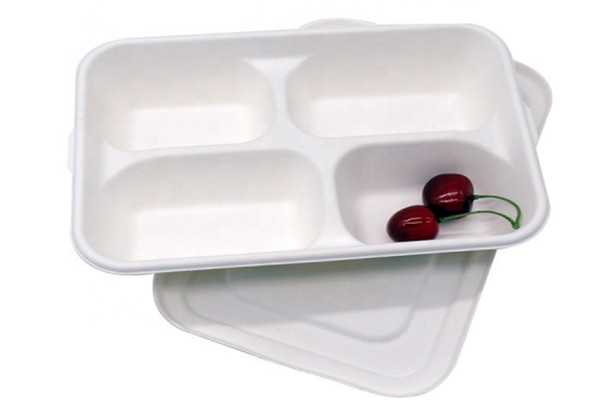 Biodegradable disposable utensils
What does it mean to be biodegradable?
Biodegradable disposable cutlery is a product or material made from environmentally friendly materials that can be broken down as people's waste in landfills or other environments (such as curbside).
Now, what exactly makes a material biodegradable? The first way items can be biodegradable depends on where they come from. Natural materials are biodegradable because they come directly from plants or other natural fibers. Plants produce most natural fibers. These materials are made from cotton, the largest plant fiber. Jute is the second largest plant fiber in manufacturing materials. Animals also produce natural fibers. Materials such as wool and alpaca fiber from sheep decompose naturally because they are not manufactured. Fiber is woven into fabric, but it is biodegradable fiber.
Some plastics are also biodegradable. These materials are made with chemical bases, which cause faster decomposition. Conventional plastics break down in landfills, but it takes years to see any results. However, most biodegradable plastics take only a few months to years to fully decompose.
Degradable material
There are many ways to degrade materials. In landfills, for example, microbes are actually "eating" the material. They are broken down by enzymes and the rate of this process depends on the heat present and the amount of oxygen available.
The material itself is the biggest determinant of how long it takes a biodegradable process to complete itself. Wikipedia, for example, provides a list of
biodegradable products. Banana peels take only 2-10 days, while orange peels take about a month. Paper can take 2-5 months, while plastic bags can take 10-20 years. The winners for the longest biodegradation process are diapers and aluminum cans: 200-500 years. After seeing a lot of these long degradation processes, it's a relief to see that cotton only takes 1-5 months and wool takes about 1-5 years. Biodegradable plastic bags take about 2-3 months to decompose.
As you can see, when heavily used products add up, there can be a lot of landfills, which are not good for the environment. Making smart decisions about product materials will help protect the environment and, in many cases, save you money. Many biodegradable materials are roughly the same as manufactured substitutes, sometimes even less.
Hyde Environmental Protection Technology Co., Ltd. was founded in 2011, is a professional production of
green environmental protection products and disposable paper products enterprises. The company has been adhering to the development of paper industry to maintain human health as the criterion, using advanced technology and equipment, select high-quality raw materials, developed different specifications of disposable products. Company to service first, customer first as the concept, pay attention to product quality, from raw material procurement, printing to forming, layers of control, the company has always been in line with the "customer first, reputation first" principle, the road to create a famous brand, with high-quality products occupy the market. If you or your business is looking for a supplier of
biodegradable disposable utensils, I hope Hyde can be your limited choice. We are always committed to meeting your requirements.
John Dickson
Paper products developer
Focus on developing paper product research solutions and analysis reports
Click to contact me

 Paper Package
 Paper Package
 Biodegradable Tableware


 3928
3928 7
7





 (Saudi Arabia) Submit Demand 45 Minutes Ago
 (Australia) Submit Demand 25 Minutes Ago
 (United Kingdom) Submit Demand 36 Minutes Ago
 (Sweden) Submit Demand 15 Minutes Ago