Ever wonder which disposal method is best for the environment: compost or recycle? Learn more about
composting and recycling and find out what options to choose when dealing with
takeaway packaging. The good news is that when both are done correctly, we contribute less to landfills and are more likely to achieve zero waste. Both offer a way to extract value from waste, but do not work with the same materials.
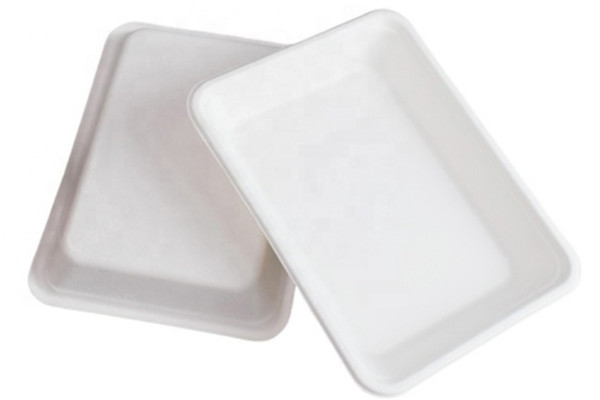 The difference between composting and recycling
What are the main differences between the two approaches?
Compost is used for organic matter and recycled for paper, glass and plastics.
Compost is the natural breakdown of organic matter over time. Fungi, bacteria, insects, worms and other organisms break down organic waste to produce nutrient-rich compost.
For centuries, we have been able to harness the power of nature by managing this decomposition process in controlled conditions and dedicated Spaces, from small domestic composting bins to large industrial composting facilities. On the other hand, recycling of paper, glass and plastic is not a natural process, just like composting, and requires knowledge and vigilance as consumers and manufacturers alike. Recycling involves separating waste and treating it so that the material is ready for reuse in new products. While recycling is an important step towards achieving a circular economy, depending on the processes involved and the nature of the waste, it can be energy-intensive or produce by-product chemicals.
Things that can be recycled
Recycling is an important step towards a circular economy. By properly recycling plastic, glass and polyethylene, we can prevent a lot of waste from going to landfills.
What you can recycle varies by city council. That's why it's important to check your local guidelines to see exactly what items you can put in curbside bins. It is also important to separate recyclable materials from organic waste. If the recycling bin is mixed with liquid substances or food scraps, the entire bin will become contaminated and cannot be recycled.
Things you can compost
There are two types of compost: commercial compost and home compost.
Commercial composting requires commercial composting facilities to ensure rapid biodegradation of organic materials. Critical mass, systematic aeration and controlled raw material and humidity levels ensure that the material reaches a temperature of 60 degrees, which is required for certain materials (such as hard bioplastics) to decompose, which typically occurs within 12 weeks. Home composting, on the other hand, can be done at home. Temperatures are usually lower, which means the process will be slower than 12 weeks.
Hyde's compostable product range is certified for commercial or home
composting. Helps ensure the composting process is done correctly, helps reduce our negative impact on the environment and works towards a circular economy. The preferred scrap option for compostable packaging contaminated with food scraps is compost, as these materials cannot be recycled.
Compostable products emit much less carbon dioxide than conventional plastics and are certified carbon neutral. If our products end up in landfills, the environmental impact will be much smaller.
Cynthia Jones
Paper product safety monitor
Have paper product safety performance testing experience, to provide you with the qualified products
Click to contact me

 Paper Package
 Paper Package
 Biodegradable Tableware


 5700
5700 8
8





 (Saudi Arabia) Submit Demand 45 Minutes Ago
 (Australia) Submit Demand 25 Minutes Ago
 (United Kingdom) Submit Demand 36 Minutes Ago
 (Sweden) Submit Demand 15 Minutes Ago