Biodegradable meal tray is one of tableware, made of degradable materials. This makes it very environmentally friendly, but it also means that it will have a series of advantages that other products do not.
Biodegradable meal tray is made of biological materials such as sugar cane or other dietary fibers. This means that when it is disposed of, it can be recycled more easily, and it will quickly decompose rather than destroy the environment. At the same time, biodegradable forks and biodegradable garbage bags are more popular, because they mean that no fossil fuels that could have a negative impact on the environment were burned during their creation.
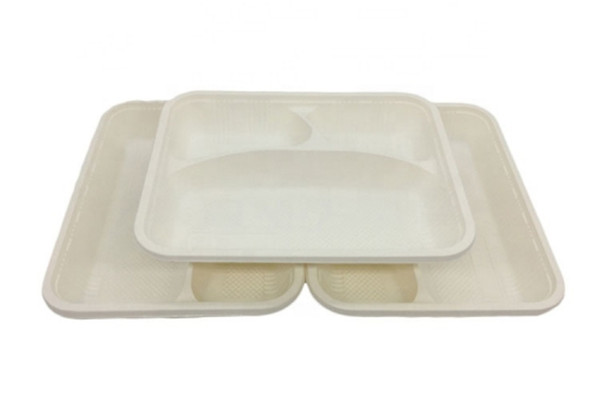 Biodegradable dinner plates are zero waste
Nowadays, the
disposable biodegradable meal tray used by humans are mainly divided into three categories. Disposable paper products made of useful tree pulp. The main problem with tree fiber products is that it takes too long to plant alternative trees. There are also disposable foam products made from petroleum. Needless to say, we all know that oil is a non-renewable resource. The last type is mainly biodegradable or renewable resource tableware made of materials such as corn, sugarcane, bamboo or other plants. These products can be replenished within one year to eighteen months.
But what does biodegradable mean? Biodegradable means that organic matter is broken down with the help of other organisms (such as bacteria and microorganisms). In other words, plant-based renewable products are composted into "earth-ready" soil. The result is zero waste.
Benefits of using degradable products
The biodegradable dinner plate is perfect for every event planner who wants zero waste. These green dinner plates are ideal for hosting a variety of events, from casual picnics to environmentally friendly weddings. They have reached high standards in terms of quality, aesthetics and durability. It is true that the unit item of biodegradable products is more expensive than foam or paper, but considering the life cycle costs associated with items that may never decompose, that is, relying on foreign oil, or relying on a new growth tree; The total cost of degradation products will be lower.
When biodegradable tableware products enter the landfill, they will be composted within 2 to 3 months. The environment will become cleaner and no toxins will be produced. The cost of building a landfill is not cheap, especially when a new landfill site needs to be selected. The new location is usually farther away from the garbage collection point, because residential areas do not need to be landfilled. As a result, each new landfill may generate a larger carbon footprint because of the increase in gas required to transport waste to more remote locations and the increase in carbon emissions from trucks. The biodegradable products are taken into waterways or roads and will eventually be decomposed.
The environment needs our help to avoid more pollution and damage, so please stay away from foam and plastic utensils.Some cities began to ban the use of foam containers, but met resistance. Anyone who has the ability to make decisions in their city or company can help change the status quo. Now with
biodegradable meal tray, protecting environment has become easier. For more information about
biodegradable tableware, please visit the Hyde product page.
Eric Hartell
Paper product monitor
Engaged in the quality and safety supervision of paper products, monitor product quality and safety risk
Click to contact me

 Paper Package
 Paper Package
 Biodegradable Tableware


 3733
3733 7
7





 (Saudi Arabia) Submit Demand 45 Minutes Ago
 (Australia) Submit Demand 25 Minutes Ago
 (United Kingdom) Submit Demand 36 Minutes Ago
 (Sweden) Submit Demand 15 Minutes Ago