Biodegradable items tend to be broken down by microbes into natural materials without causing harm to the environment. So are your
trash bags biodegradable?
Examples of biodegradable items are food scraps, wood, cotton, and human and animal waste. Now plastic bags can also biodegrade.
Biodegradable bags are made of specialized enzymes or chemicals that break down the material once exposed to sunlight and air.
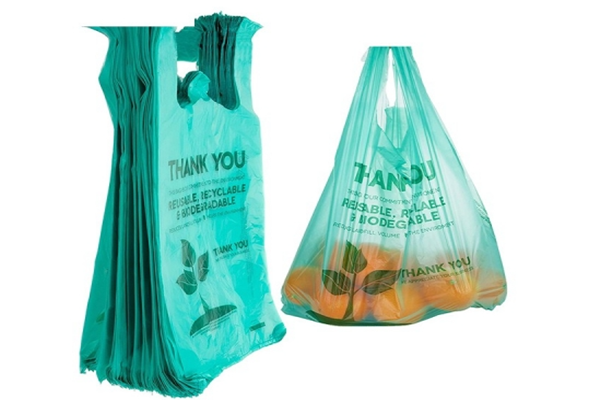 The benefits of biodegradable garbage bags
In this case,
biodegradable plastic bags could be an environmental saviour.
Reducing carbon emissions
While conventional plastics emit four tonnes of carbon, biodegradable plastics emit just under 0.8 tonnes. In doing so, they ensure that the manufacturing process releases the least amount of carbon into the air.
Waste reduction
Conventional plastics make up 13 percent of waste. As we told you, only 9% is recycled, while the rest goes to water bodies and landfills. The good thing about biodegradable plastic is that it breaks down over time, depending on its exposure to sunlight, soil and air. While not all biodegradable plastics break down completely, any reduction creates space and minimizes stress on waste fillers. As a result, biodegradable plastics could eliminate the need to add to landfills and save land for other uses.
Recycled
They take much less time to decompose than traditional plastics, making them easy to recycle and without releasing toxic elements. Another advantage of biodegradable plastic bags! They can be shaped like traditional plastics and can be transformed in a variety of attractive ways to meet your requirements.
Source reduction
Biodegradable plastics can also minimize the use of oil supplies. Nearly 2.7 percent of the country's oil is used to make conventional plastics. Their oil molecules are heated and treated so that they are converted into polymers.
Biodegradable plastics, on the other hand, are made from corn, orange peels, starch, plants and switchgrass. Their manufacture requires less energy and usually does not involve the burning of fossil fuels. Corn-based plastics require 60 percent less energy than producing similar polymers from raw petroleum. Many bags are also made of organic materials or paper. More biodegradable plastic can be made with less energy, which also reduces pollution.
Non-toxic
There's no denying that traditional plastics are made using harmful by-products and chemicals that also pose a threat to the environment and life. They are likely to release these harmful substances as they decompose. But that's not the case with biodegradable plastics.
They are safe and do not release toxins during decomposition. They are absorbed by the soil. These benefits of biodegradable plastics are welcome because the pile of toxic plastic on earth is rising and this increasing rate will cause health problems for people and wildlife.
So those are the benefits of using
biodegradable bags. Are your
trash bags biodegradable? They are safe for the environment and their use should be encouraged. However, the need for awareness of the use of biodegradable plastics and education on their reuse is essential because judicious use can have a good impact.
Ebony Hawkins
Food Packaging R&d Manager
Engaged in research and development of paper products for many years, good at product analysis and positioning
Click to contact me

 Paper Package
 Paper Package
 Biodegradable Tableware


 9795
9795 22
22





 (Saudi Arabia) Submit Demand 45 Minutes Ago
 (Australia) Submit Demand 25 Minutes Ago
 (United Kingdom) Submit Demand 36 Minutes Ago
 (Sweden) Submit Demand 15 Minutes Ago